
Our services
-
1:1 sessions
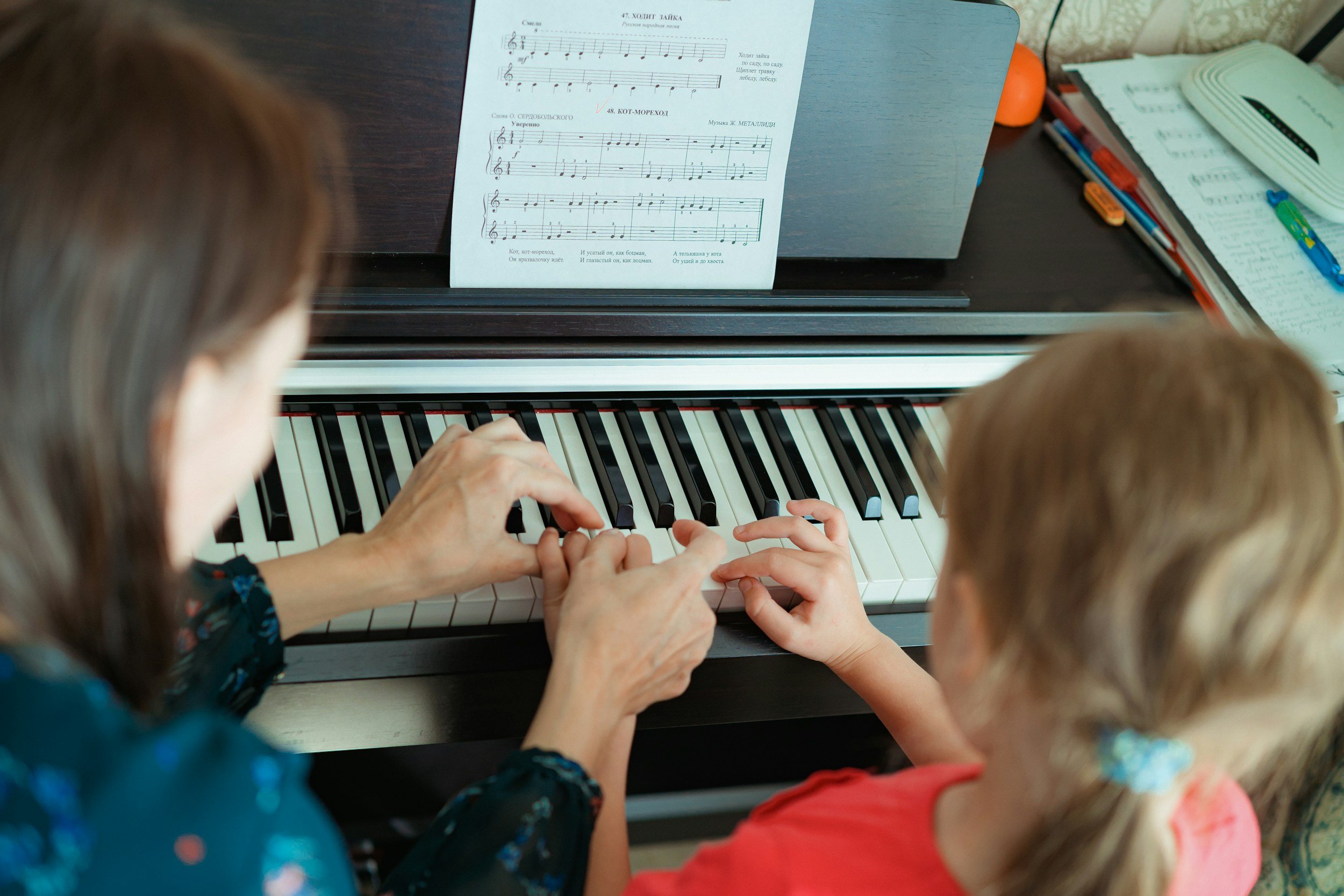
One-to-one sessions are the most common form of therapy at Mourne Music Therapy. Each session is tailored to the individual, offering a safe and creative space to explore, express, and connect through music. This approach is particularly supportive for people with profound and multiple learning disabilities (PMLD), dementia, or those seeking mental health support, providing opportunities for communication, regulation, and emotional expression through sound and interaction.
-
Family sessions
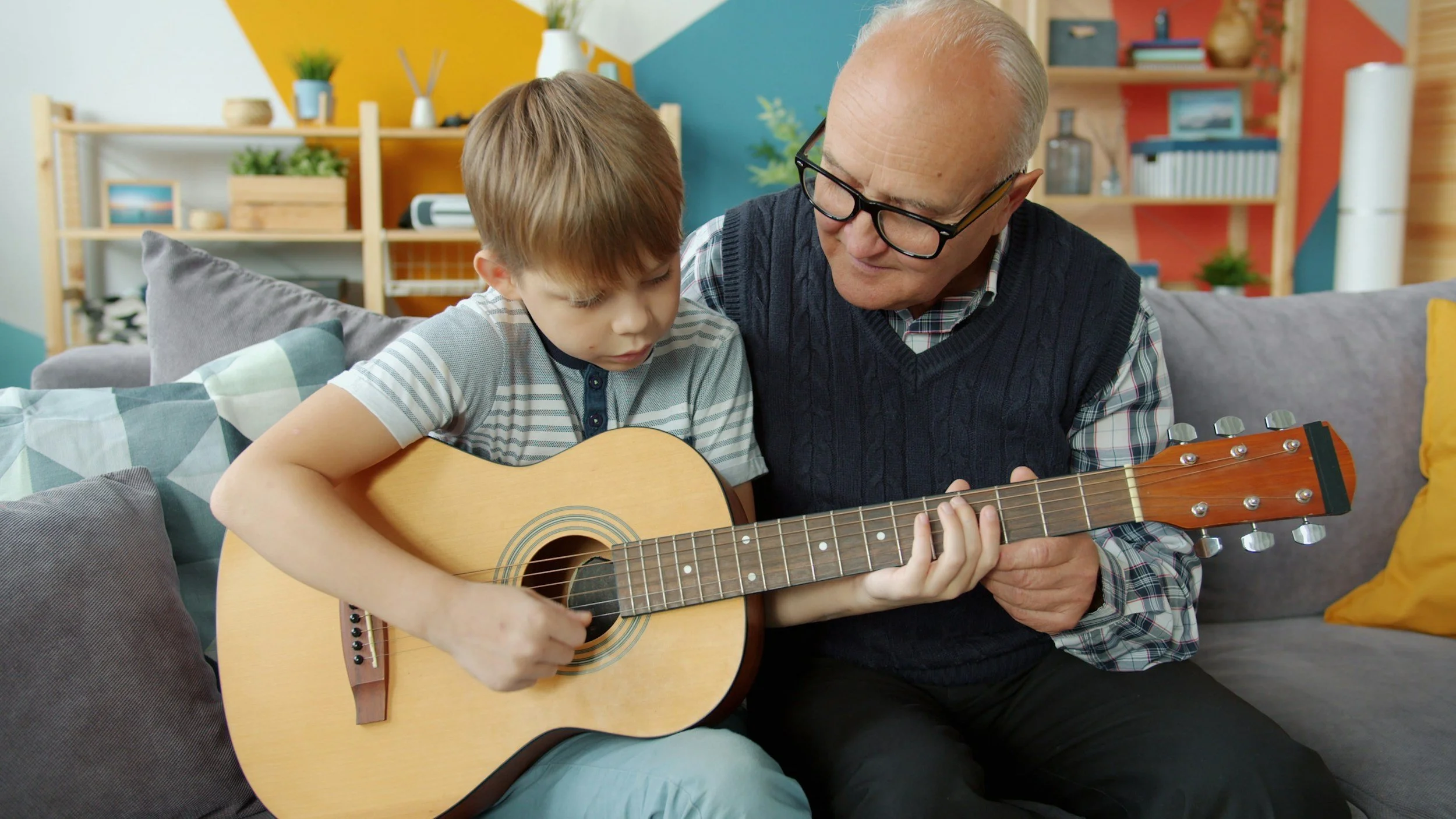
Family sessions offer a shared musical space for connection, expression, and joy. These sessions are designed to strengthen relationships - whether between parents and children, siblings, or wider family members - through the creative and spontaneous use of music. Suitable for families supporting a loved one with PMLD, navigating mental health challenges, or simply wishing to reconnect, these sessions create moments of togetherness where everyone can be heard and valued.
-

Group sessions
Group sessions bring people together through shared musical experiences. These sessions are designed to encourage connection, creativity, and self-expression within a supportive group environment. Suitable for settings such as dementia care homes, learning disability services, mental health groups, or rehabilitation programmes, group music therapy helps individuals build confidence, improve communication, and experience the joy of making music together.
SEPT26 UPDATE - LIMITED AVAILABILITY FOR GROUPS
Our diversity and inclusion statement
At Mourne Music Therapy, accessibility and inclusion are at the heart of what we do. Every person’s way of engaging with music is unique - whether through sound, movement, stillness, or sensory experience. Our goal is to meet each individual where they are, allowing music to become a bridge for connection and growth.
We are committed to providing an inclusive, affirming space for LGBTQ+ individuals and families, as well as anyone who may feel underrepresented or marginalised.
Everyone is welcome here - including people from all cultural and faith backgrounds, refugees and newcomers, those in recovery and addiction, and anyone seeking a safe, creative space to be themselves.
1:1 Sessions
What happens in a session?
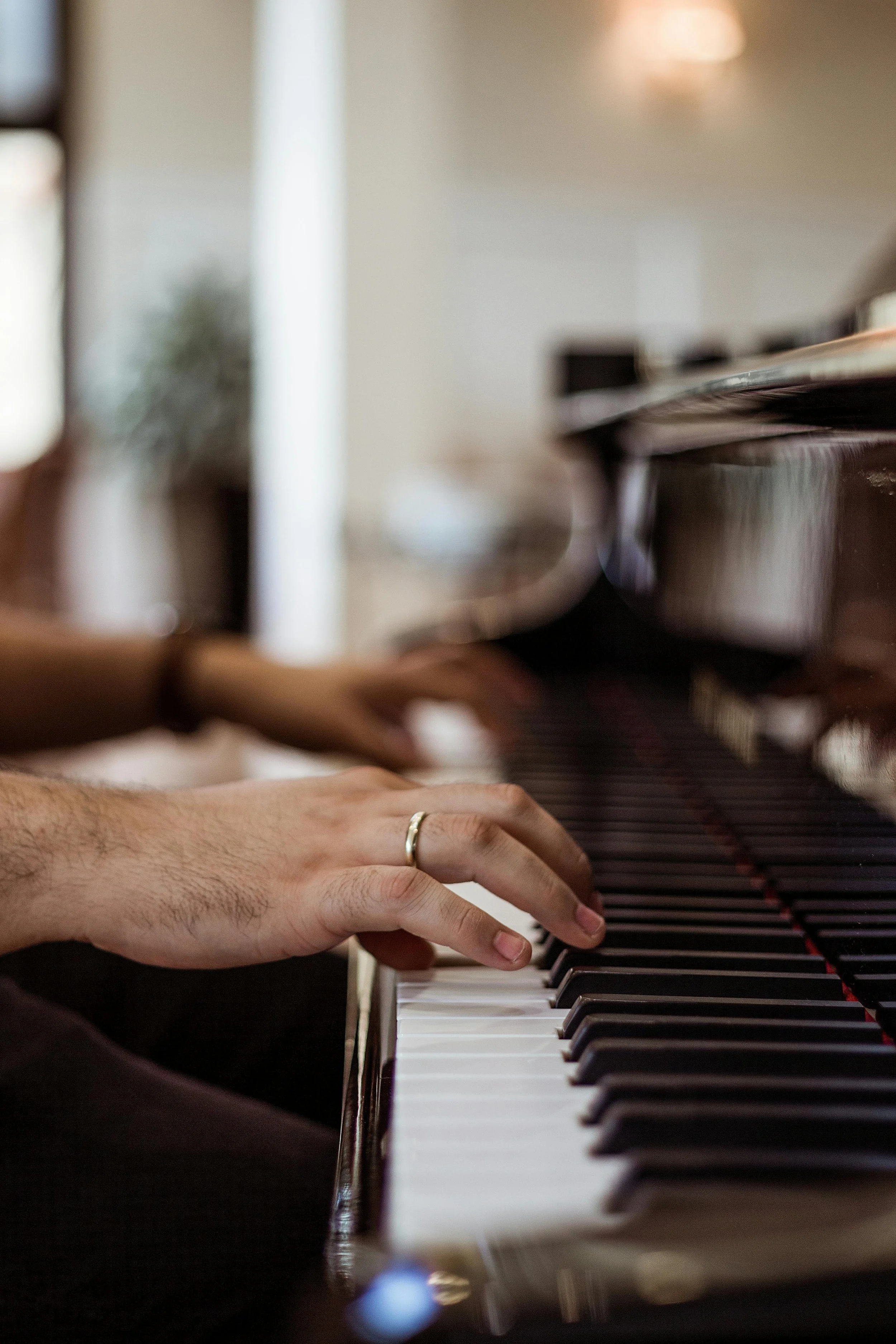
A typical session may include improvisation, singing, playing instruments, using voice and movement, listening together, or exploring sound through technology. Sessions can be lively, quiet, playful, reflective, or sensory-based - depending on what the client needs that day.
The therapist responds musically to the client’s expressions, gestures, and sounds, creating a shared musical dialogue that encourages communication, emotional regulation, and self-expression.
Each session also includes time for settling in, reflection, and gentle closure, helping the client feel safe and supported throughout the process.
Who’s it for?
Group music therapy can benefit a wide range of communities and settings, including:
Learning disability day services – supporting communication, sensory regulation, and social engagement.
Dementia care homes – stimulating memory, emotional connection, and shared joy.
Mental health and rehabilitation groups – building safe, trusting environments where people can express and reflect together.
Schools and youth services – supporting wellbeing, confidence, and teamwork through music.
Benefits of Group Music Therapy;
Group music therapy helps people to:
Strengthen social and emotional connections.
Develop confidence through shared creativity and performance.
Experience pride and ownership in their contributions.
Build trust and belonging within the group.
Reduce stress and improve mood through musical interaction.
What to expect…
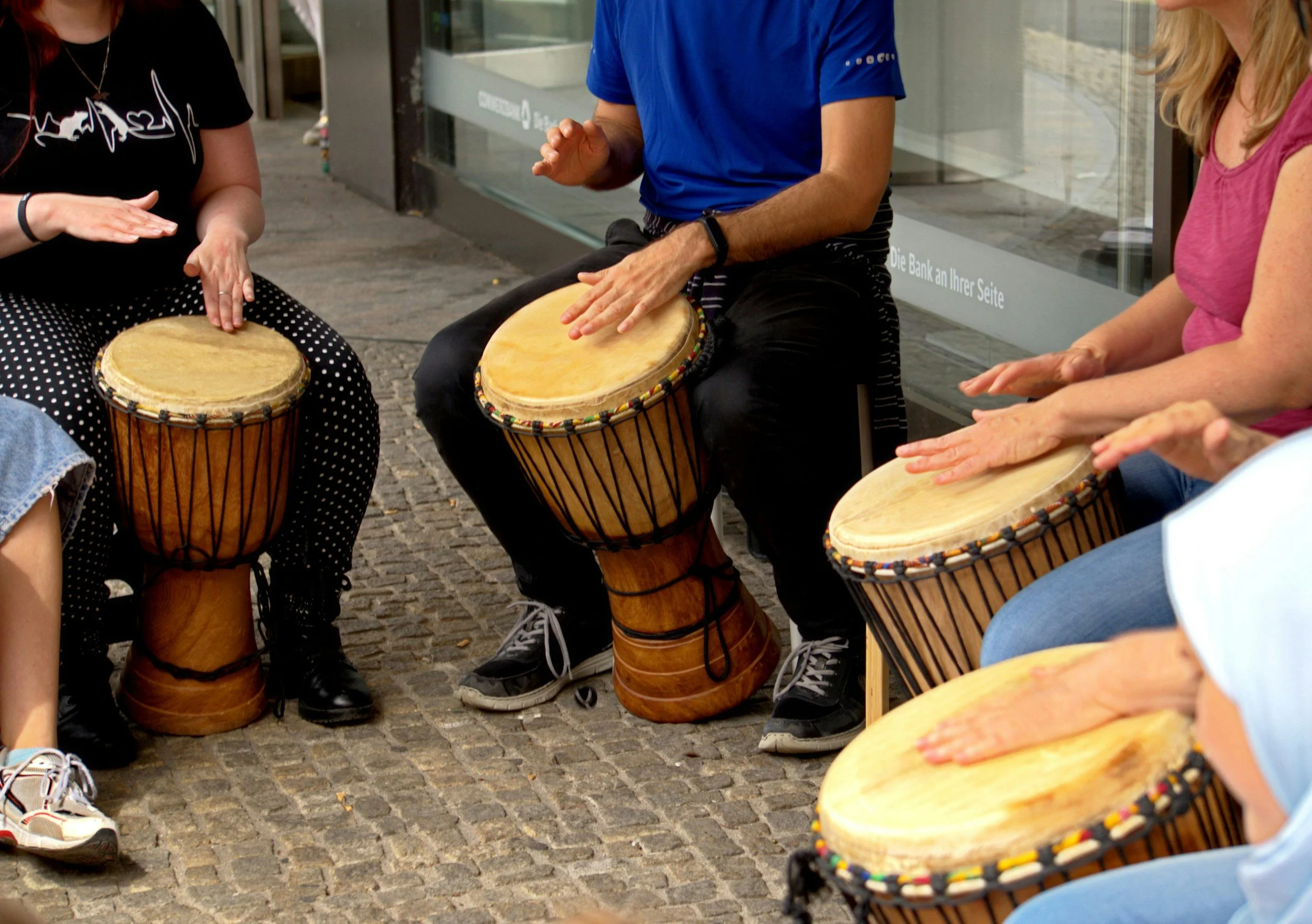
Sessions are usually 45–60 minutes, tailored to the needs and energy of the group.
Group size and duration are adapted to the setting and participant accessibility.
All instruments and materials are provided.
We are fully insured
Sessions can be delivered in schools, hospitals, day services, residential care homes, or community venues.
Who’s it for?
1:1 music therapy can benefit people of all ages and abilities, including:
Individuals with profound and multiple learning disabilities (PMLD) - supporting sensory awareness, engagement, and interaction.
People living with dementia - helping to promote communication, regulate emotions, and affirm a sense of identity.
Those experiencing mental health challenges - offering a space for emotional expression, grounding, and reflection.
Children or young people with communication or social needs - encouraging creativity, confidence, and non-verbal expression.
Adults in recovery or living with long-term conditions - using music to support motivation, wellbeing, and self-esteem
Benefits of 1:1 Music Therapy
Provides an accessible way to communicate and connect
Supports emotional expression and regulation
Builds confidence and self-awareness
Reduces anxiety and promotes relaxation
Encourages focus, engagement, and creativity
Enhances quality of life and sense of wellbeing
What to Expect
Sessions usually last around 60 minutes, including time to settle and reflect.
Instruments and materials are provided, with options tailored to each person’s needs and abilities.
Sessions can take place in therapeutic rooms, schools, care services, or at home (depending on accessibility).
All sessions are delivered in a confidential, supportive environment, following professional ethical standards.
Getting Started
If you’re interested in 1:1 music therapy for yourself, a family member, or someone you support, please get in touch for an initial conversation. We’ll discuss your goals, preferred setting, and any access needs, then arrange a trial session or short block of sessions to begin.
Mourne Music Therapy
〰️
Mourne Music Therapy 〰️
Group Sessions
Family Sessions
Benefits of Family Sessions
Strengthening family bonds through shared creative experiences
Building empathy, understanding, and emotional connection
Supporting communication between parents, siblings, and loved ones
Providing a joyful space for families to relax, play, and express together
Encouraging confidence and pride through collaborative music-making
Offering meaningful ways to include all family members, including those with additional needs
Creating lasting memories and a sense of shared achievement

What to expect…
Sessions are typically 60 minutes, with flexibility to include both individual and shared family time.
Designed to meet your family’s unique goals - whether that’s connection, relaxation, creativity, or celebration.
Can take place in the family home, a community space, or a therapy setting. Let’s talk about it!
All instruments and materials are provided, and no musical experience is needed.
Whether at home or in a community setting, family sessions can help bring families closer - turning music into a bridge for connection, healing, and shared joy.
What Are Group Music Therapy Sessions?
Group sessions bring people together through shared musical experiences. They create space for connection, creativity, and community, where participants can communicate and express themselves in ways that words alone cannot.
At Mourne Music Therapy, groups are improvisatory in nature - meaning that music is created and shaped in the moment - but sessions also include structured musical activities such as play songs, singing known pieces, rhythm games, or collaborative songwriting. This balance of spontaneity and structure allows everyone to participate meaningfully, regardless of musical background or ability.
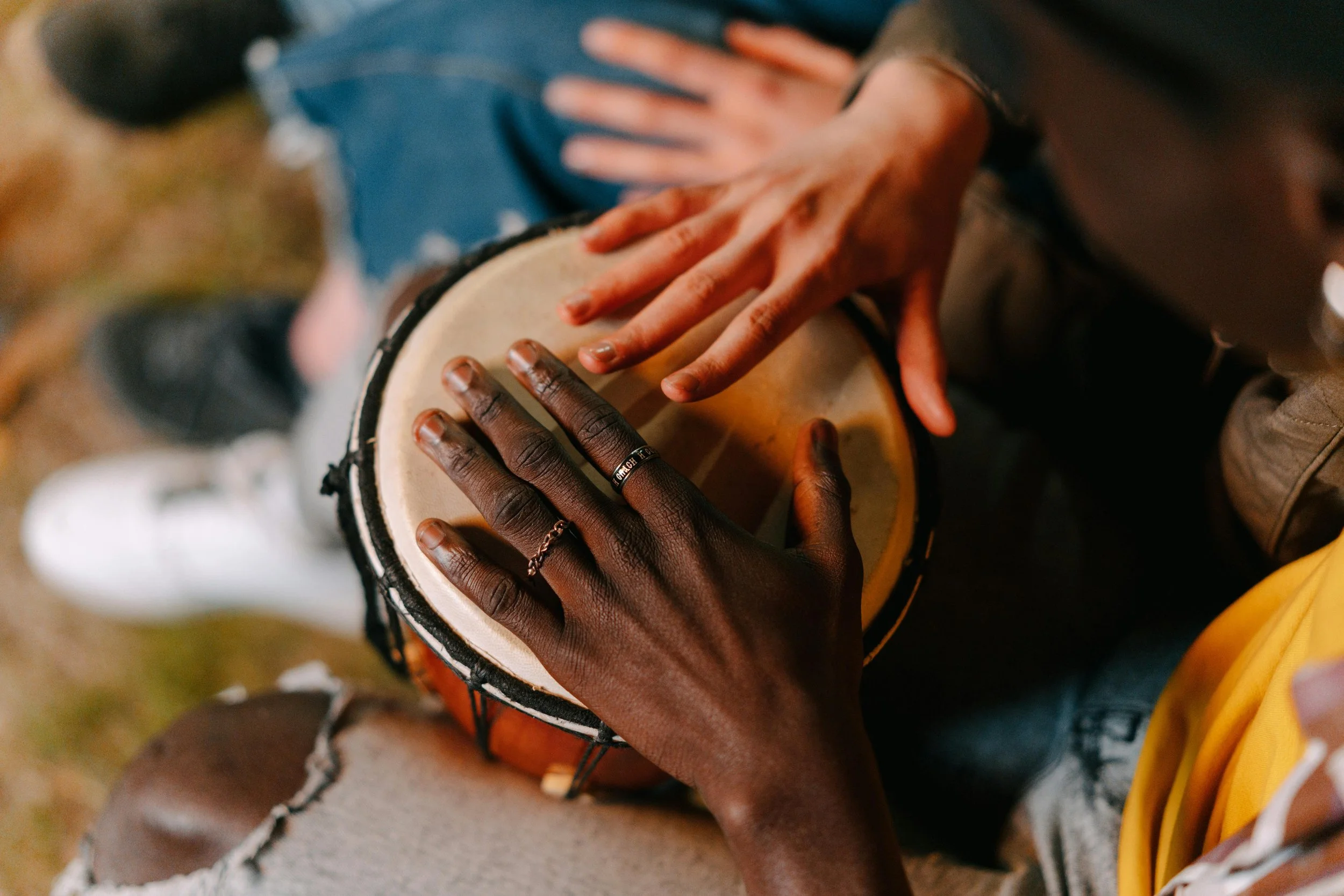
What happens in a session?
Each group develops its own musical identity. Sessions might include:
Improvisation – spontaneous music-making that encourages listening, turn-taking, and interaction.
Singing and known songs – familiar music that can spark memories, boost confidence, and promote togetherness.
Band work or ensemble playing – small groups forming to play pieces together, fostering pride, teamwork, and creative ownership.
Creative projects – group songwriting, recording, or performances that celebrate progress and build self-esteem.
Groups can be as small as three participants or as large as fifteen, depending on accessibility and support needs.
Commissioning and Delivery
Mourne Music Therapy offers group work on a contract or project basis for organisations and services across Northern Ireland. Provision can include:
Weekly or termly sessions for ongoing therapeutic support.
Short-term creative projects or themed programmes.
Staff updates or progress summaries when required.
To discuss how group music therapy could support your service or setting, please get in touch to arrange an initial consultation.
Mourne Music Therapy
〰️
Mourne Music Therapy 〰️
What Are Family Sessions?
Family sessions create a shared space for connection, expression, and creativity through music. By using music as a shared language, families can discover new ways of relating to one another and celebrating each person’s individuality.
These sessions are flexible and responsive - designed around the needs of your family or close group. Whether you want to strengthen relationships, celebrate progress, or simply share in the joy of music-making together, each session is uniquely shaped to suit you.
Family music therapy can involve everyone making music together or a blend of individual and shared time - for example, a session that begins one-to-one and ends with family involvement. This approach is especially valuable in PMLD work, where musical interaction can help families connect in new sensory and emotional ways, and in mental health support, where collaborative music-making can build understanding and trust between family members.
What happens in a session?
Each session adapts to the needs of those involved. You might:
Share songs or sounds created in earlier individual sessions.
Write and record a family song or project together.
Explore instruments, rhythm, and movement as a group.
Take turns performing or responding musically to one another, fostering pride and confidence.
Enjoy quiet listening or relaxation moments through sound.
Music becomes a bridge - helping families communicate, reflect, and experience each other in new ways.
Who’s it for?
Family music therapy can benefit:
Families supporting a loved one with PMLD, providing joyful and sensory ways to connect.
Families living with dementia, who may find music rekindles shared memories and emotion.
Young people receiving mental health support, with sessions involving family members to strengthen communication and understanding.
LGBTQ+ families or friend groups, using creative expression to build belonging and resilience. We are committed to providing an inclusive, affirming space for LGBTQ+ individuals and families, as well as anyone who may feel underrepresented or marginalised.
Support groups, where shared music-making can deepen empathy and collective confidence.
Getting started
Family music therapy can be booked as a standalone experience or as part of an ongoing therapy journey. We suggest starting with at least three sessions - enough time to build trust, explore ideas, and begin to experience the joy of creating together. During an initial consultation, we’ll discuss your family’s aims and preferences, and shape the sessions around your needs.